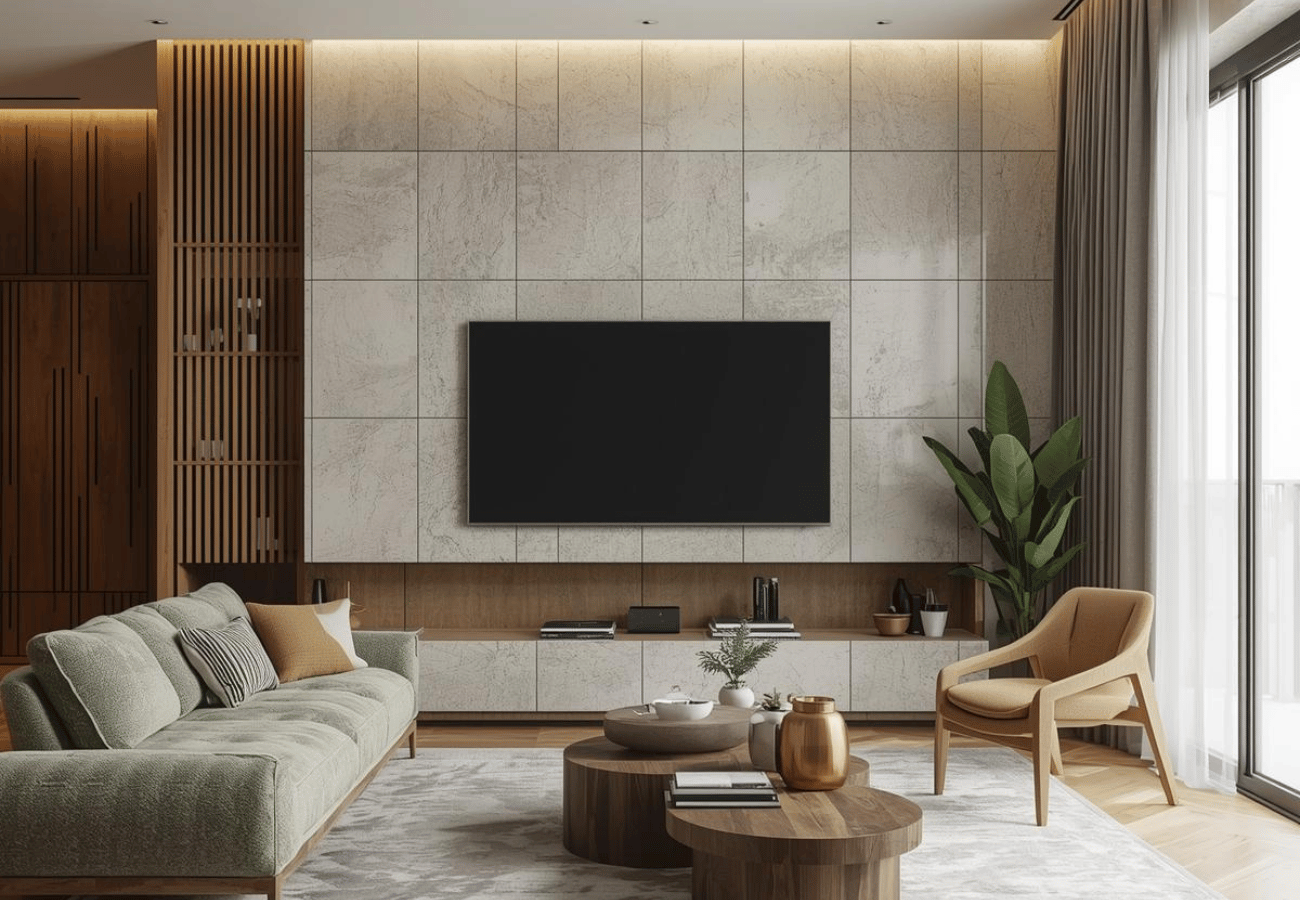
Seamless concrete wall texture has quietly become one of the most requested finishes in modern homes and commercial spaces, and it’s easy to see why. It gives you that calm, monolithic “one-surface” look without distracting breaks, so the wall looks and feels even rather than patchy. When done in the right way, it can be used for industrial decor, minimalist settings, or even soft contemporary designs, depending on lighting and furniture.
What people really like is the way it sits in the background while still feeling premium. It doesn’t shout for attention, but it also doesn’t fade into “just another painted wall.” When the application is handled with care, the finish holds up well and stays relevant even as decor trends shift.
What Is A Seamless Concrete Wall Texture?
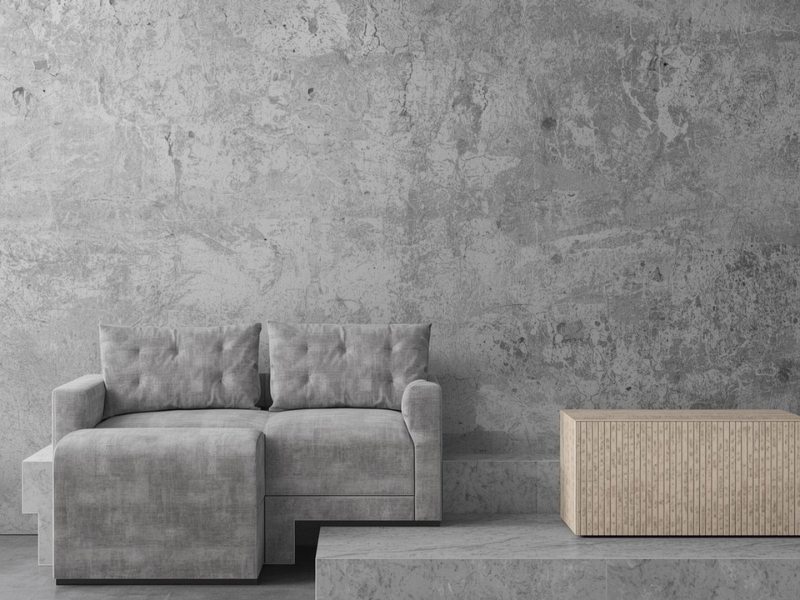
A seamless concrete texture is a continuous wall finish designed to mimic the look of concrete without obvious joints, tile grids, panel seams, or harsh transitions. The aim is visual continuity, especially important when the wall catches side light from windows or spotlights.
You’ll also hear contractors call it a concrete seamless texture system because it’s typically built in layers that merge into a single plane. Compared to basic cement paint or a quick skim coat, these systems can look more refined and, in many cases, perform better, provided the substrate is stable and the materials are compatible from primer to top coat.
How To Create A Seamless Concrete Wall Texture
A clean finish is mostly about discipline in the early steps. The smallest shortcut, uneven levelling, rushed drying, poor sanding, usually shows up later as patchiness, trowel shadows, or hairline cracking.
If you want a finish that looks consistent from every angle, treat the process like a sequence, not a single application. Most teams get better results when they plan product selection and drying time around the actual site conditions (humidity, airflow, and how much direct light hits the wall).
Surface Preparation
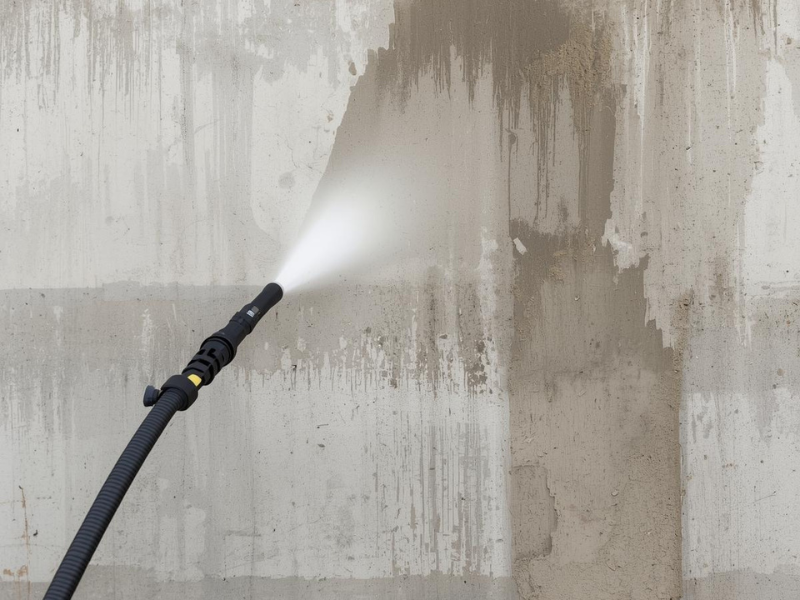
- Start with a wall that’s truly perfect: clean, dry, and free from loose paint, dusting putty, grease marks, or damp patches.
- If the base has movement cracks, address the cause first, otherwise even the best coating in the world can’t save the wall from future issues.
- For a uniform, seamless wall texture, open up hairline cracks slightly, fill them with a compatible repair compound, then sand flush so the repair doesn’t “print through.”
- This is also where straightening matters: even minor ripples can become obvious once the wall catches raking light.
Application Process
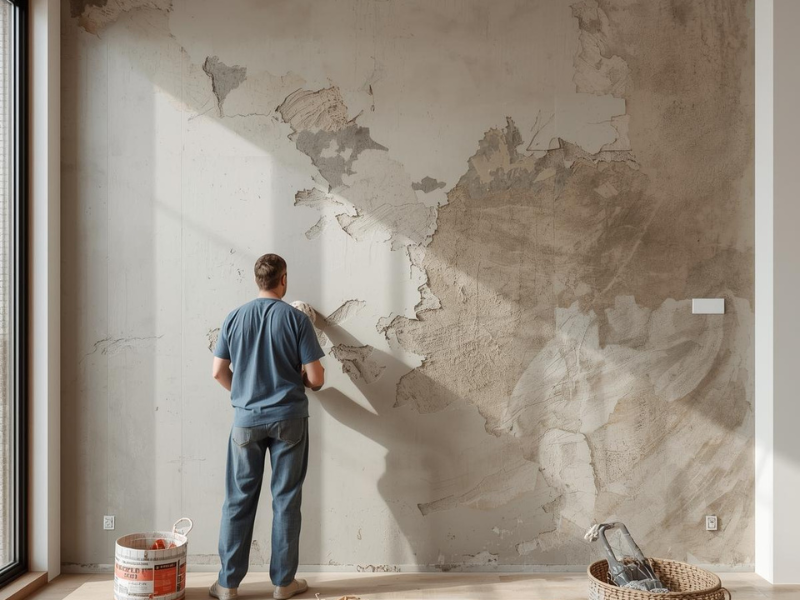
- The finish is typically built up in thin coats using trowels and specialised spatulas. Each layer needs consistent thickness, because thickness changes are where you see tonal variation and tool marks.
- To get a balanced concrete wall texture design, applicators usually keep the same hand pressure and direction over large areas rather than constantly “fixing” small patches mid-way.
- Corners, switchboard cut-outs, and edge lines deserve extra time, since those are the first places the eye catches imperfections.
Drying And Finishing
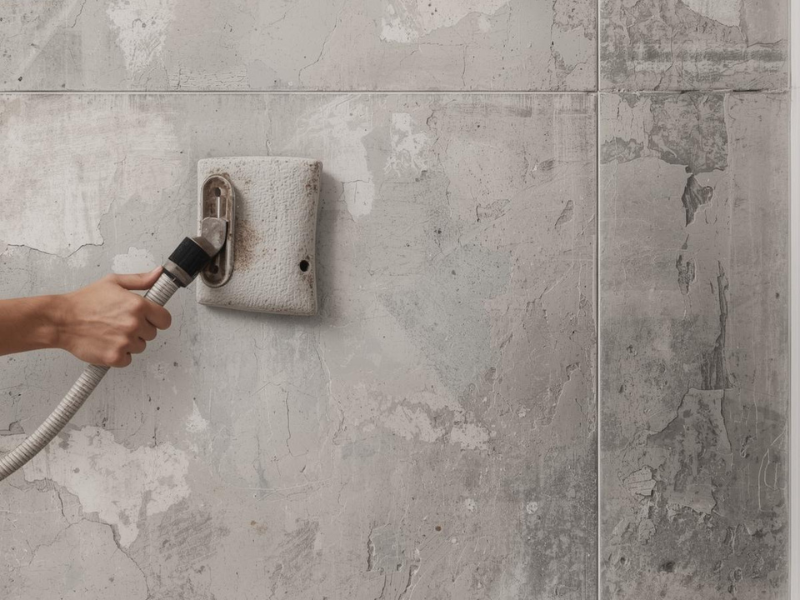
- Once the surface is applied, it must cure properly before sealing or heavy use. Drying time is not just a technical detail; it’s what prevents future issues like powdering, dull patches, or uneven sheen.
- If you want the concrete wall texture seamless look to stay consistent, protect the wall during curing from dust, splashes, and casual contact.
- Many projects finish with a sealer to improve stain resistance and make routine cleaning easier without changing the character of the texture.
Benefits Of Seamless Concrete Wall Texture
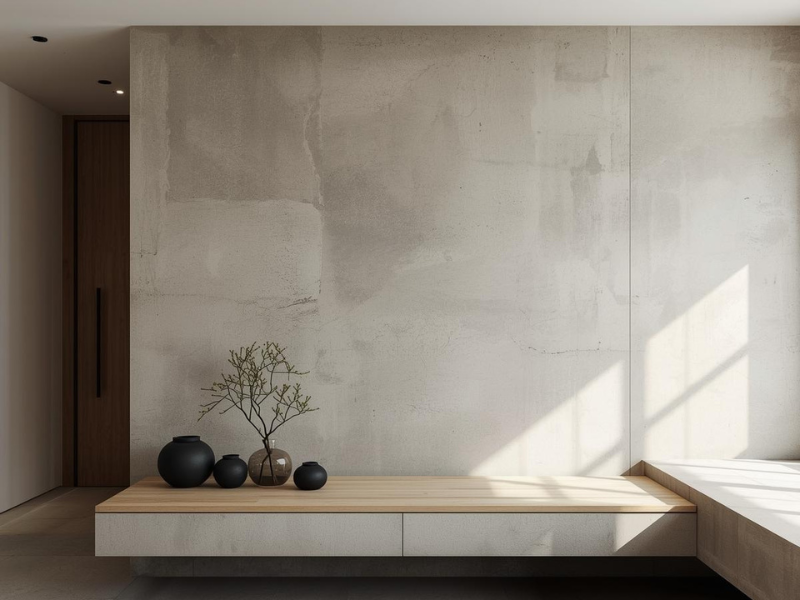
The appeal is a mix of aesthetics and practicality. You get a surface that looks composed and modern, yet doesn’t come with the visual busyness of joints and grid lines.
When designed thoughtfully, concrete textured walls can support a room rather than dominate it. The trick is to let the wall add depth while keeping the rest of the elements, furniture, lighting, and accessories calm and deliberate.
Modern And Minimal Aesthetic
- A joint-free wall is usually “quiet” to the eye, which is why it often makes spaces feel larger and less cluttered.
- It’s also a strong backdrop for simple silhouettes, sleek sofas, clean-lined tables, and minimal decor.
- If you’re choosing colour shades for wall pairings, muted neutrals usually work best because they let the texture do the work without turning the room harsh.
- Warmer greiges and soft taupes can make the finish feel more lived-in, while cooler greys push it toward a sharper, gallery-like vibe.
High Durability And Strength
- A well-built system can handle daily wear better than many decorative finishes, especially in corridors, lobbies, and busy living areas. The durability comes from proper priming, correct layering, and not rushing the cure.
- This matters when the wall is part of an interior wall texture plan for a high-touch area where people brush past it or clean it regularly.
- With a suitable top coat, the surface typically holds up well against incidental scuffs and routine wiping.
Easy Maintenance
- One of the underrated advantages is cleaning. With fewer seams and crevices, dust has less to cling to, and wiping the wall doesn’t feel like a chore.
- In homes where adjacent surfaces use wall paint, keep cleaning methods gentle across both finishes so the overall look stays uniform.
- A soft microfibre cloth and a mild cleaner are usually enough; abrasive pads can create uneven sheen, especially on matte systems.
Versatile Application
- This finish works nicely as a single feature wall, but it can also be taken across an entire room when you want a more architectural feel.
- It pairs well with wood, metal, glass, and even textured fabrics, so it doesn’t lock you into one design style.
- It can also be considered for sheltered outdoor areas, depending on the exact product and protection system.
- For an exterior wall texture application, confirm rain exposure, direct sunlight intensity, and sealing requirements so the finish doesn’t chalk or stain prematurely.
Tools Required To Create A Seamless Wall Texture Design
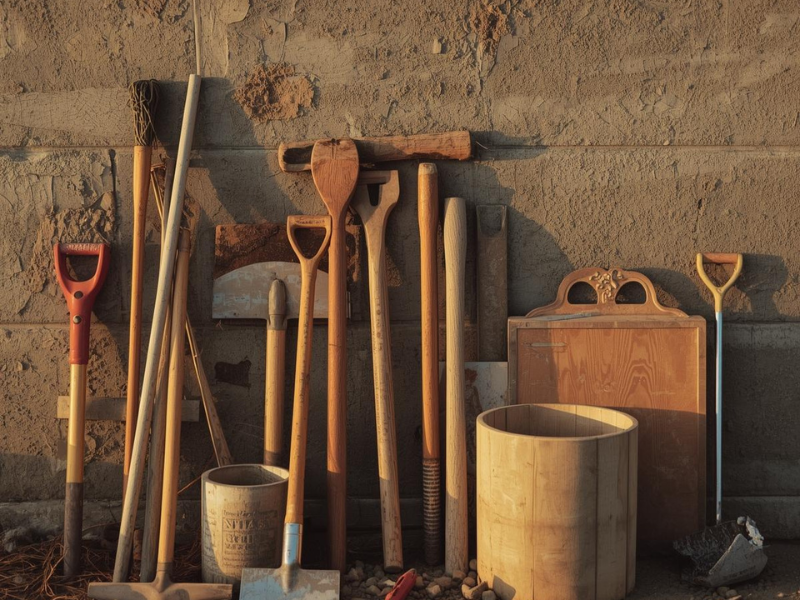
- Trowel and putty knife: For spreading smoothly and finishing corners/edges neatly.
- Mixing bucket and mixer: To get a lump-free, even mix of concrete or microcement.
- Sandpaper or sanding block: For quick smoothing between coats and knocking down lines.
- Primer tools (roller/brush): To lay an even primer coat so the finish bonds properly.
- Texture spatula/applicator: Helps control the texture and keep the look consistent.
- Protective gear: Gloves, mask, and goggles, especially important during sanding.
- Sealer/top coat applicator: Roller or spray to seal the surface and improve stain/moisture resistance.
Maintenance Tips For Seamless Concrete Walls
Maintenance is simple when the wall is sealed properly and treated like a premium finish rather than a rough cement surface. Most problems people face, such as random stains, patchy dullness, and scratches, come from harsh cleaners or repeated abrasion in the same spot.
If your project involves masking against nearby finishes, remove tape slowly and carefully. Quick pulls can leave marks or lift edges, especially if the texture is still settling or the sealer hasn’t fully hardened.
Cleaning Dos And Don’ts
- Use a soft cloth or mild detergent for cleaning. Avoid harsh chemicals that may damage the finish.
- Skip acidic cleaners, bleach-heavy products, and aggressive scrubbing unless the manufacturer explicitly approves them.
- In dining areas or near kitchens, wiping spills early makes a big difference; lighter finishes tend to show stains faster if liquids sit too long.
How To Prevent Cracks And Stains
- Ensure professional application and use protective coatings to minimise cracks and stains.
- Most cracking traces back to one of three things: a weak substrate, unresolved structural movement, or inconsistent layer thickness.
Recoating And Touch-Up Tips
- Periodic resealing can help maintain the texture’s finish and extend its lifespan.
- Touch-ups need patience because blending a patch into a continuous surface is harder than it looks.
- If you’re also thinking about how to make wall paint last longer on nearby walls, use compatible primers, allow full drying between coats, and avoid harsh cleaning methods that wear down both the paint film and the sealed texture over time.
Final Thoughts On Seamless Concrete Wall Texture
A seamless concrete wall texture is a solid choice if you want a modern finish that feels calm, premium, and easy to live with. The look depends less on “fancy material” and more on correct prep, steady application, and disciplined curing; those are what separate a designer wall from a rough cement patch.
This is where Berger Express Painting can help. With trained teams, proper surface evaluation, and system-based execution, we reduce the common risks, uneven texture, visible touch-ups, and premature staining. If you’re comparing painting services along with texture work under one coordinated plan, that single-point responsibility often improves both timelines and finish consistency.