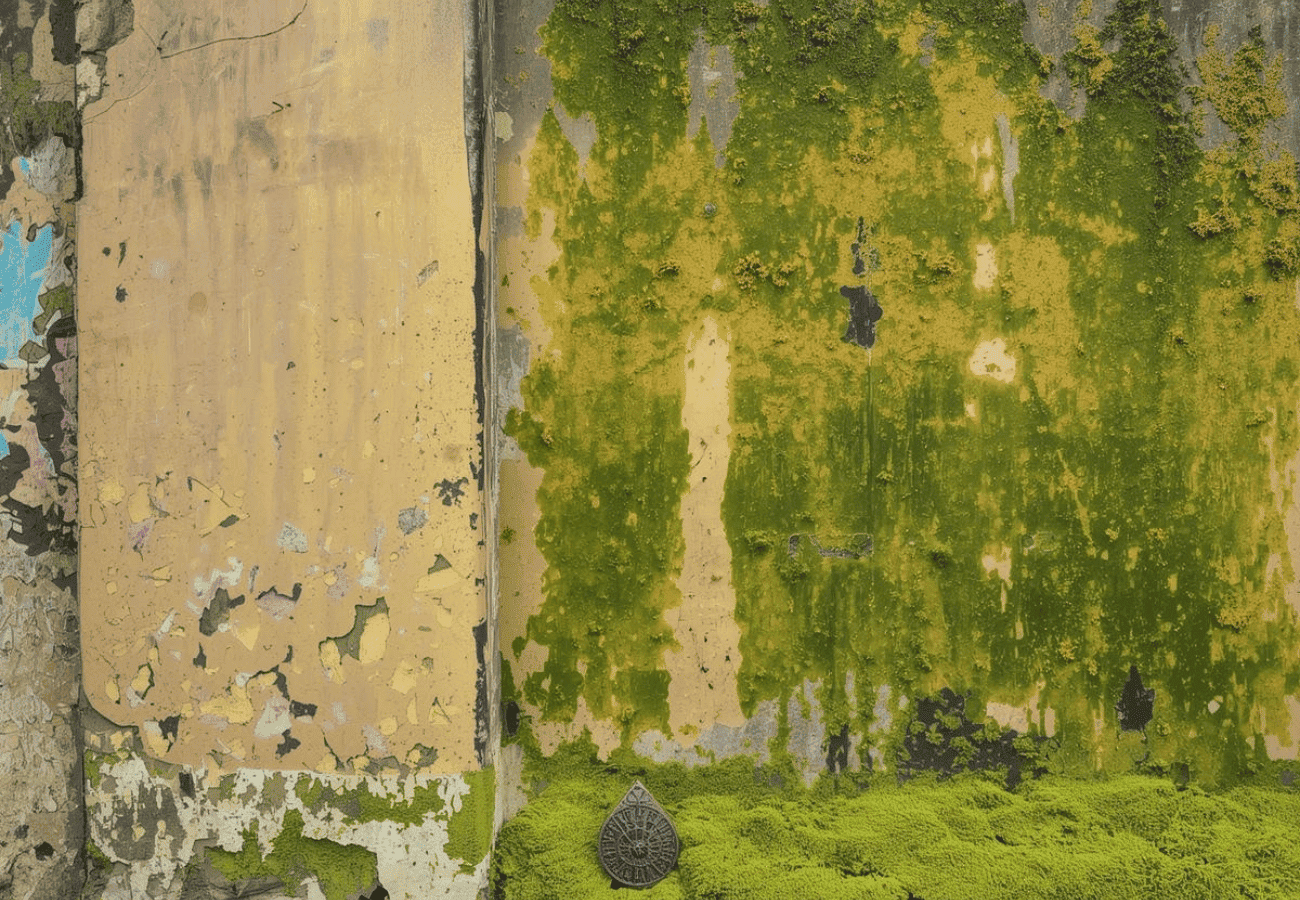
Algae on walls is one of those problems that starts small and then quietly spreads. A pale green film after the rains can turn into stubborn stains, patchy discolouration, and a wall paint that never looks truly clean.
Over time, persistent dampness can soften plaster, weaken paint grip, and encourage other microbial growth. In many Indian cities, the combination of monsoon moisture, warm air, and shaded areas creates ideal conditions for algae growth on walls.
In this blog, you’ll learn why algae forms on walls, how to prevent it with moisture control, protective coatings, and simple maintenance.
Why Algae Grows On Walls
Algae needs three things: moisture, a surface it can cling to, and time. When a wall stays damp, spores settle easily, and the film thickens. These are the most common reasons it happens.
Excess Moisture
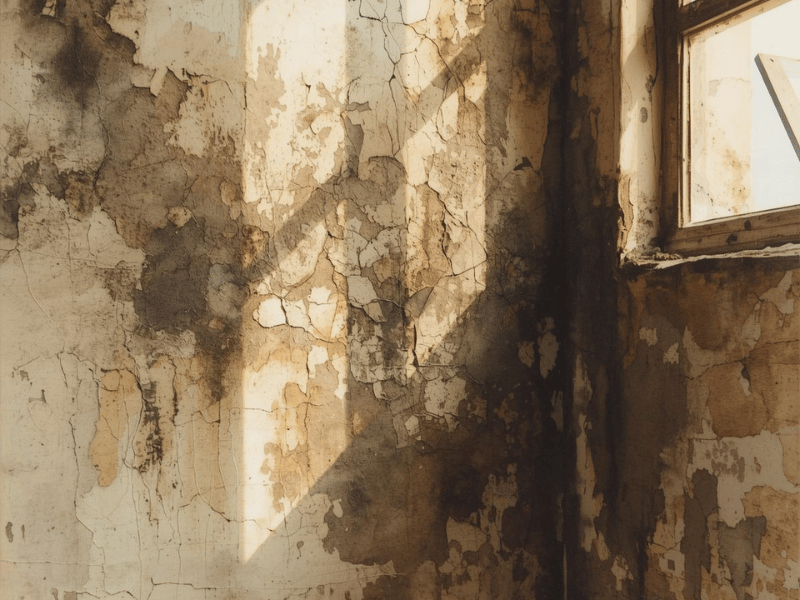
Moisture is the main trigger, and it often comes from everyday building issues rather than dirty walls. Typical sources include:
- Rainwater seeps through fine cracks, porous plaster, or poorly sealed edges around windows and ledges
- Leakage from plumbing lines in kitchens, bathrooms, and utility areas
- Damp terraces where water collects near parapets, outlets, and joints
- Condensation on cooler internal walls, especially in rooms with high humidity
In shaded or continuously wet spots, stains can deepen into black algae on walls, especially where dirt sticks to the damp film. A protective exterior finish, such as weather-coat anti-dust, can also help reduce dirt pickup that otherwise feeds staining in damp conditions.
Lack Of Sunlight
Sunlight is a natural drying agent. Walls that remain in shade take longer to dry after rain, washing, or humid nights. In many homes, the worst algae appears on:
- Narrow side passages between buildings
- Elevations blocked by trees, grills, or nearby structures
- Boundary walls that stay shaded most of the day
- Areas under continuous projections where water drips and dries slowly
If a surface stays wet for extended periods, algae does not need much else to establish itself.
Poor Air Circulation
Even without direct rain, airflow makes a huge difference. Poor ventilation keeps humidity trapped and slows evaporation, which encourages algae and fungal growth. Watch out for, and refer to a colour catalogue when planning repaints in damp-prone areas:
- Staircases, shafts, and utility balconies with limited airflow
- Rooms where windows are rarely opened
- Corners behind wardrobes or sofas pushed tight against the wall
- Bathrooms without reliable exhaust ventilation
When air movement improves, walls dry faster, and algae struggles to return.
Best Ways To Prevent Algae On Walls
Prevention works best when you treat the wall like a system: stop moisture, protect the surface, and maintain it. Cleaning alone gives short-term relief if the wall keeps getting wet.
Use Anti-Algal And Anti-Fungal Paint
In humid, coastal regions, choosing coatings designed to resist microbial staining can significantly reduce recurring problems. Anti-algal and anti-fungal paints help by slowing surface growth, reducing staining, and keeping the wall looking cleaner between maintenance cycles.
- Remove existing growth completely before painting, as it can reappear beneath the film
- Repair cracks and weak plaster so water does not enter again
- Prime correctly so the paint bonds evenly and forms a consistent barrier
- Paint on dry walls, since moisture trapped in the coating reduces its lifespan.
Ensure Proper Waterproofing
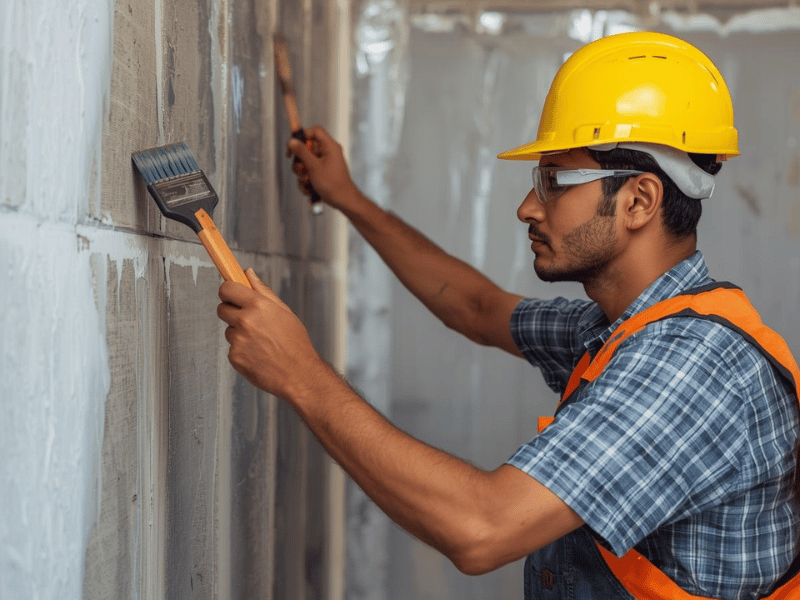
If rainwater is entering the wall, paint alone will not solve it. Waterproofing reduces absorption and blocks common entry points, so the wall stays drier and algae has less chance to form.
- Terrace parapets and slab-wall junctions
- Edges around windows, grills, and external electrical conduits
- Cracks along projections, ledges, and chajjas where water sits
- Spots where rainwater pipes splash continuously onto a wall
Fix Seepage And Leakage
For long-term prevention, eliminate the moisture source. People often search for quick answers, like how to remove algae from the wall, but the better question is why the wall keeps staying wet.
- Paint blistering, peeling, or bubbling
- Damp patches that feel cool even in dry weather
- White powdery deposits on brick or plaster
- Musty smell near a wall, especially indoors
- Cracks that look worse after the rain
Cleaning And Maintenance Tips
Even with preventive measures and a waterproof coating, exterior walls accumulate dust and pollutants. Dirt holds moisture and provides algae with a surface to grip. Regular upkeep keeps growth from settling and makes cleaning easier.
Regular Wall Cleaning
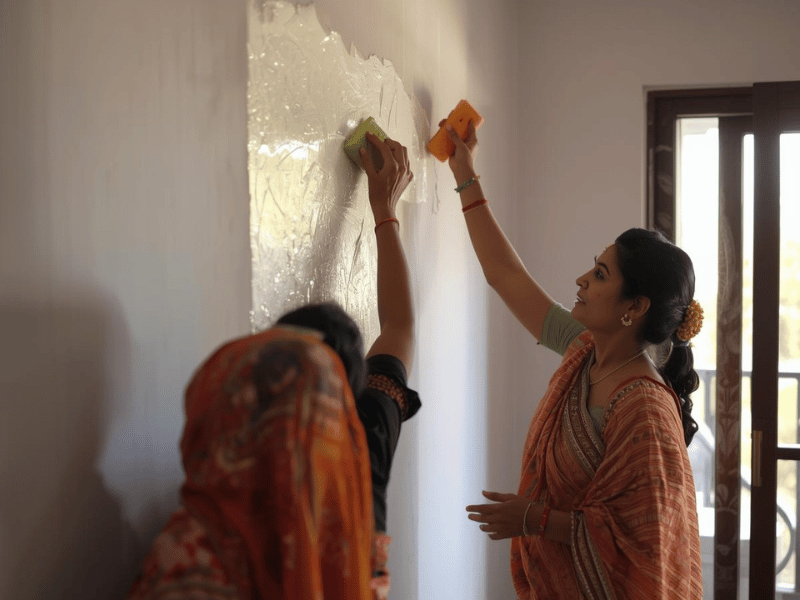
For most homes, gentle periodic cleaning helps remove the layers of dirt that support growth. If you are looking up how to remove algae from exterior walls, start with the least harsh method and build up only if needed.
- Rinse the wall to remove loose dust and surface grime
- Scrub lightly with a soft brush in affected areas
- Rinse thoroughly so residues do not dry into streaks
This routine also helps if your goal is simply to clean algae off walls before stains settle deep into the surface.
Use Mild Anti-Fungal Solutions
When algae is visible, mild anti-fungal washes are often used to break down growth. Many homeowners also ask how to clean algae from walls without damaging paint or nearby plants.
- For how to remove algae from a brick wall, use a soft-bristle brush to avoid damaging mortar joints.
- For how to remove algae from a concrete wall, scrubbing is usually easier, but do not overdo pressure on weak plastered areas.
- For how to remove algae from painted surfaces, keep solutions mild and avoid harsh abrasion.
If your main issue is outdoor green staining, you are essentially trying to figure out how to get rid of green algae on walls and how to remove green algae from outside walls. Cleaning helps, but it lasts much longer when you also improve drying by trimming vegetation, improving drainage, and reducing constant splashing.
Repaint When Needed
Paint films age. As coatings age, they become more porous and hold dirt and moisture more easily. If algae returns quickly even after cleaning, the existing finish may no longer be providing adequate protection.
- Clean and treat algae fully so it does not remain under the new coat
- Fix seepage, cracks, and weak plaster
- Prime and repaint with a protective system suited to your exposure conditions
Conclusion
Preventing algae growth is not just about cleaning. It is about keeping walls dry, fixing seepage and leakage early, and using a protection system that suits Indian weather conditions. When prevention and maintenance work together, walls stay brighter, paint lasts longer, and your home looks healthier and better cared for, especially with professional painting services from Berger Express Painting.